

Laser Frenectomy for Lip & Tongue Ties – San Luis Obispo
Free Your Child’s Tongue or Lip, Unlock Their Potential
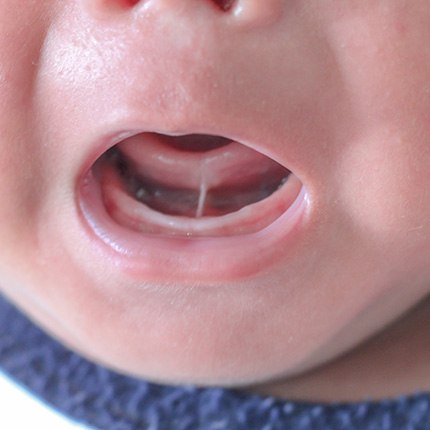
As a result of the Solea laser, resolving lip and tongue-ties through a frenectomy is much easier and better than it used to be. With this device, it is possible for Dr. Forester to quickly, painlessly, and effectively complete the frenectomy under the tongue or upper lip to allow for better range of motion -- for healthier babies and happier parents. Basically, immediately after a laser frenectomy, function should improve to the point where an infant is fully able to latch and feed in the most efficient manner.
Why Choose Coastal Pediatric Dentistry for Laser Frenectomies for Lip & Tongue Ties?
- Advanced Technology with a Solea Laser
- Board-Certified Pediatric Dentists
- Comfortable Environment and Friendly Staff
How Do Lip and Tongue-Ties Develop?

Believe it or not, all babies have a frenulum while they are developing in the womb; however, most lose this tissue before birth while some keep it. As a result, the tongue cannot be raised high enough to achieve suction on the nipple while nursing. In addition to difficulty latching, you may also notice clicking noises or have sore nipples from your baby biting down if they have a tongue or lip-tie.
Why Is It Important to Treat Tongue and Lip Ties?

Tongue and lip-ties can cause breastfeeding problems, encourage decay, cause issues with growth and oral development alignment, and lead to other struggles as time goes on. In fact, we can only perform frenectomies on infants between 10 days and 2 months of age, making it urgent to complete this treatment as early as possible.
Tongue and lip-ties occasionally can occur together and make it difficult for the baby to latch on during feeding. If left untreated, a lip or tongue-tie can also lead to speech impediments and sleep apnea. Overall, taking care of this problem as early as possible can enable your baby to thrive and have better oral function in the future.
Lip & Tongue Tie Treatment

The procedure that removes this small fold of tissue under the upper lip or underneath the tongue is called a frenectomy. At Coastal Pediatric Dentistry, we take advantage of laser technology for frenectomies, which is much gentler and more effective than traditional treatment with a scalpel and sutures.
Lip & Tongue-Tie FAQs
How Can You Tell If Your Baby Has a Lip or Tongue-Tie?
If you do not notice the tiny string of tissue under your baby’s tongue or upper lip itself, you may recognize these concerning symptoms:
- Difficulty latching for breastfeeding.
- Biting down on the nipple trying to get milk.
- Painful or cracked nipples.
- Failure to thrive or gain weight.
- Excessive crying and need for frequent feedings.
Ultimately, Dr. Forester is perhaps your best resource to identify a lip or tongue-tie that could interfere with your baby’s growth and breastfeeding experience. To see if your infant has one, schedule a consultation with us!
Will I Need to Be in the Room When the Frenectomy Is Performed?
Even if you would prefer to be in the room to comfort your baby as we work, we ask that you remain in the waiting room during the procedure. It may be emotionally difficult to hear your infant cry in another room, but they shouldn’t feel pain, and the frenectomy doesn’t take much time at all. Our team needs to dedicate our focus completely to your infant and their lip or tongue-tie. As soon as we’re finished, we’ll come to get you and let you hold your baby.
How Soon After the Lip & Tongue-Tie Procedure Will I Be Able to Nurse?
While it may take a couple of attempts to successfully latch, your baby can start breastfeeding immediately afterward. In fact, breastmilk contains healing properties that will aid in recovery, and the comforting act of nursing can calm your baby down more quickly than any other method. You should notice significant improvement in their ability to latch and obtain sufficient suction quickly. Any pain you experienced in your nipples should go away as well.
What Is the Aftercare for a Laser Frenectomy for Lip & Tongue-Ties?
Although the Solea laser will reduce the amount of bleeding, your baby may have a little bit to deal with afterward. For a few days, to make sure the tissue heals completely and correctly, take a clean, not-completely-dry pointer finger and gently swipe under the tongue and/or lip to make sure nothing has reattached. Because your infant cannot eat solid foods yet, you don’t need to worry about any changes to their diet. They can continue to feed as usual. The procedure doesn’t cause much discomfort, so your baby shouldn’t need pain reliever; however, if they develop a fever or other worrisome symptoms afterward, call your pediatrician immediately.